
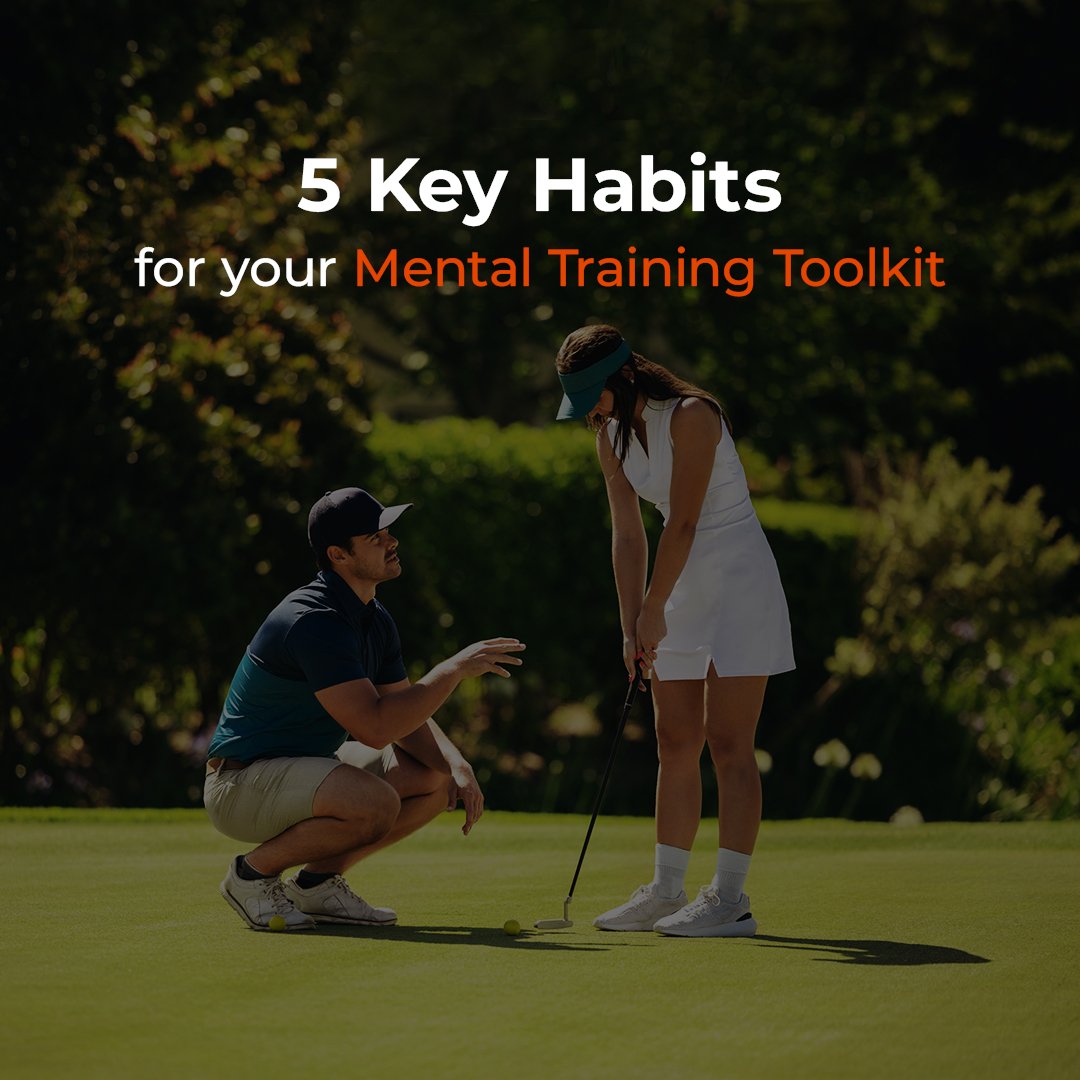
When we think about training, the focus normally lands on improving physically: lifting heavier, running faster, and better overall technique.
As we’ve mentioned before, mental well-being is just as important as physical fitness. The way athletes think, manage emotions, and handle pressure is all integral to their success, both on and off the field.
This is why building a “mental training toolkit” is essential - for athletes and coaches.
Below are five of our favorite simple habits you can start building today to support stronger mental health and sharper performance in the moments you need it most.
1. Daily Reflection
We tend to be our own worst critics, so setting aside daily time to review progress is key to comprehending all of the progress you’re actually making.
By jotting down your daily practice updates, thoughts, and feelings about how your training went, it’ll be way easier to get a comprehensive view of how far you’ve come.
Use CoachNow as a training journal, uploading your analysis, videos, and reflections so you can easily keep track of what’s going well, what areas still need improvement, etc.
Over time, these daily insights will help you stay motivated and on course, and will also serve as a roadmap of your progress that you can show to your peers, coaches, etc.
2. Visualization
Visualization is essentially mentally rehearsing something ahead of time, and it has the potential to be extremely powerful.
Before or after training, encourage your athletes to set aside a few minutes to walk through their performance in their mind. This could look like imagining themselves executing a drill with perfect form, staying calm in a high-pressure moment, or finally nailing something they’ve been struggling with.
The more specific they can be when they’re visualizing, the greater the impact it will have.
Instead of just “seeing” themselves succeed, athletes should try to imagine the sights, sounds, and even the emotions they’ll feel in that moment. When they actually find themselves in the scenario, they’ll feel more confident and in control.
3. Recovery and Rest
While in some ways they’re separate, mental health is directly connected to physical health. Athletes (or coaches) who continually push themselves without getting enough time to recharge often find their focus, mood, and overall performance start to suffer.
Even the best athletes in the world can’t train constantly - they have to take breaks and get adequate rest to stay at their peak performance.
Not sure where to begin? It’s simple - make sure you’re getting enough sleep, try practices like meditation or breathwork, and if you have to, schedule breaks into your calendar so you’re forced to take them.
When athletes and coaches prioritize recovery, they’re not just protecting the body, they’re strengthening mental clarity, focus, and mood.
4. Utilize Periodization
When you have a big goal set in front of you, it can be stressful and overwhelming to figure out how you’ll actually get there. This is where Periodization comes in.
Periodization essentially breaks down training into phases, each with a specific goal, to achieve peak performance at the right time:
-Technical Phase: This focuses on ingraining the right techniques before ramping up the intensity.
-Pre-Competition Phase: Your training becomes more specialized as you look at the specific event in front of you and cater your training accordingly.
-Competition Phase: This is where you apply your skills and strategies in actual competitive scenarios. Mental training is crucial here - you want to show what you’re capable of when it matters most.
-Rest and Reflection Phase: Take time to rest and reflect on your performance. Don’t make the mistake of always moving the goal post and never seeming satisfied - give yourself time to rest, reflect, and rejuvenate.
At it’s core, Periodization ensures systematic progress, prevents burnout, and significantly enhances overall performance.
We did a deep dive on periodization a few months back, check out those blogs at these links:
Your Key to Reaching Peak Performance
How to Train Effectively for Different Seasons
How to Use “Periodization” to Reach Your Goals
5. Practice Gratitude
The pressures that often come with playing sports can make athletes focus only on what they’re doing wrong.
Gratitude is a simple yet powerful way to shift that perspective. By taking a moment at the end of each session to recognize something that went well, athletes train their minds to notice progress and not harp on the negative.
Of course challenges will always arise, but by balancing the negative with the positive, they’ll build resilience over time and be able to handle setbacks with perspective.
Mental training isn’t about ignoring the challenges you might face - it’s about building the tools to meet them with confidence and knowing that you can conquer them.
By adding these five habits into your routine, you’ll create a stronger foundation for both your performance and well-being.
Just like physical training, all of these habits take practice. The more consistent you are, the better results you’ll find both on and off the field.