

At CoachNow, we’re all about empowering coaches and athletes to excel, whether they’re on the field, recapping after practice, or somewhere in between.
One aspect of training that often gets overlooked until it’s too late is what to do when an athlete becomes injured.
If they keep training like they were before, their injury will only get worse. If they stop training completely, they’ll lose all of the hard-earned progress they’ve made.
In this blog, we’re gonna unlock the secrets that coaches need to empower their athletes to return stronger than before.
.png?width=600&height=449&name=Effective%20Injury%20-%201%20(1).png)
Understanding the Science Behind Injury Recovery
Injury recovery is a dynamic process that involves more than just waiting for the body to heal. In order to help an athlete heal properly, coaches should have a basic understanding of tissue repair, inflammation, and how the body reacts to stress.
Athletes and coaches should also know that healing follows three stages: inflammation (redness and swelling that lasts 1-5 days), proliferation (new tissue is created), and remodeling (the final stage of healing). Each stage requires an approach tailored specifically to each athlete so they can maximize their recovery and don’t further injure themself.
By understanding these stages, coaches can create a recovery program best suited for their athlete’s needs. Being familiar with the basics of these recovery stages gives both the coach and the athlete the tools to adapt their program as needed.
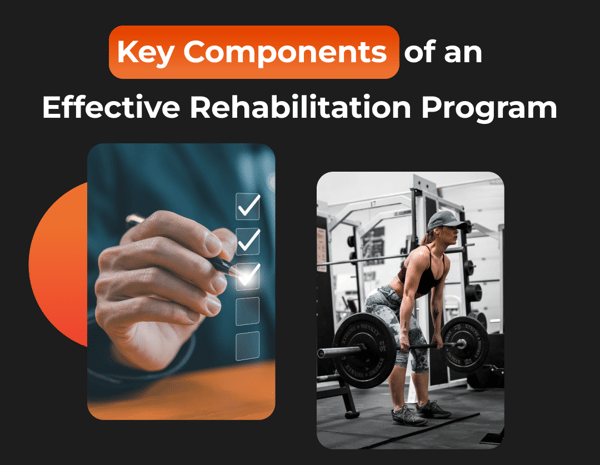
Key Components of an Effective Rehabilitation Program
As we mentioned above, an ideal recovery program should be customized to the athlete's injury, sport, and personal goals.
Some of the things a recovery program should include are:
-Progressive mobility work
-Strength training (within pain-free ranges)
-Exercises to restore movement patterns
Regular assessments help track progress and make necessary adjustments. To effectively monitor your progress during recovery, consider these three simple steps that can help you stay on track.
Coaches can keep athletes engaged by setting short-term, achievable goals and incorporating sport-specific drills as soon as it's safe.
Also, staying in contact with the athlete’s medical team ensures that training remains safe and effective, supporting a smooth transition from rehab to full return-to-play. For advice on how to keep athletes accountable during the recovery process, check out our guide for coaches.

Nutrition and Rest in Healing
Nutrition and rest are fundamental to proper recovery. Coaches should emphasize the importance of protein, vitamins, and minerals to support tissue repair and reduce inflammation.
Rest is equally important and often overlooked. Quality sleep accelerates healing, allowing the body to regenerate and process the demands of the injury. Even when athletes are eager to return to their training, it’s up to their coach to make sure they’re prioritizing enough rest days so they don’t reinjure themselves.

Overcoming Setbacks and Staying Motivated
Injuries will almost definitely take a toll on an athlete's mental health, leading to frustration, anxiety, or loss of motivation. Coaches play a critical role in keeping injured athletes engaged by encouraging a positive mindset and offering consistent support.
By helping athletes set realistic expectations, celebrating small wins, and maintaining regular communication, they stay connected to their goals. Athletes can learn more about the power of focusing on progress, not just results, to support their mental health during recovery.
Using CoachNow as a training journal is another way that athletes can be reminded of their progress, even on their toughest days.
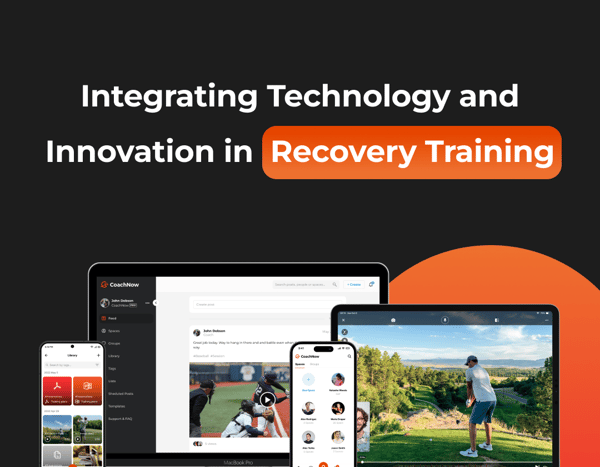
Integrating Technology and Innovation in Recovery Training
By utilizing features like Skeleton Tracking, Annotation Tools, VS Mode, and more, athletes will have more precise monitoring of their progress. This is crucial to help them make the most of their rehab, ensuring that they’re performing their movements correctly and not doing anything to make their injury worse.
Coaches can also use video analysis to help athletes visualize improvements and maintain engagement. Read more here about the transformative power of video analysis for athletes and how it can enhance their recovery process.
Injury recovery doesn't have to mean putting your athlete’s goals on pause, it just requires a different approach.
Ultimately, how an athlete handles their recovery is often more important than the training that they did before the injury. By understanding the science behind healing, building a personalized rehab program, prioritizing nutrition and rest, and staying mentally strong through setbacks, athletes can (and often do) come back better than they left.
While helping an athlete work through an injury is never an ideal situation to find yourself in, coaches don't have to navigate this process alone.
With the right tools and support systems in place like keeping athletes engaged through regular communication and leveraging technology like video analysis and progress tracking, you can help your athletes turn a frustrating setback into a powerful comeback.