

Regardless of what level you’re coaching at, it’s important to train your athletes like they’re pros.
In doing so, you’re setting them up for future success - by the time that they’re no longer amateurs, they already have the pro mindset and strategies down.
There are a few key differences between how amateurs and pros train, but they ultimately boil down to Intention and Retention.
Whether you’re used to coaching amateurs, pros, or both, keep reading for some tips on how to help them train as efficiently as possible.
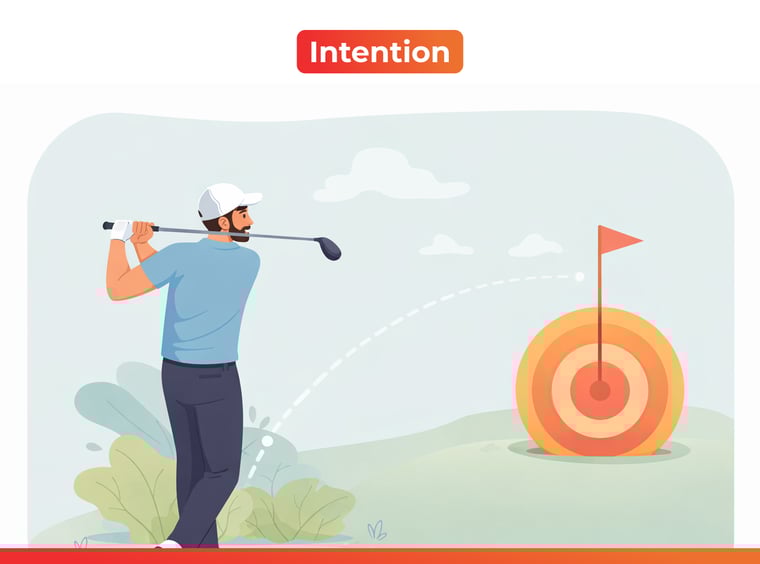
Amateur athletes often train less mindfully than pros. They practice more casually and therefore have less drastic progress.
On the other hand, pros work with their trainers to create strict practice plans that keep them on track throughout the year.
While their progress may not feel significant on a day-to-day basis, this consistency over time is the very thing that separates them from amateurs.
When you’re working with an athlete, make sure it’s clear to them not only what they’re practicing, but why they’re practicing.
What goals are they working towards? What do they need to do to reach them? How often do they need to practice? Do they need extra guidance?
This helps them stay on track and serves as a north star to keep them motivated on their hardest days.
In addition, have your athletes identify their areas of weakness, as well as their strengths. This will help inform their training and what they need to focus on. Professionals obviously have many strengths, but they know not to be complacent and to focus even more on their weaknesses.
By using CoachNow, all of the communication between you and your athletes is in one place. Encourage them to create posts outlining their goals and reiterating both of your expectations to make sure everyone is on the same page.
After each session, they should reflect on their performance - both what went well and what didn’t. This ensures that their progress is consistent and also helps you know what to focus on next session.
As athletes progress, it’s inevitable that some of their goals will likely change. As that happens, it’s important to revisit their intentions and adapt them as needed.
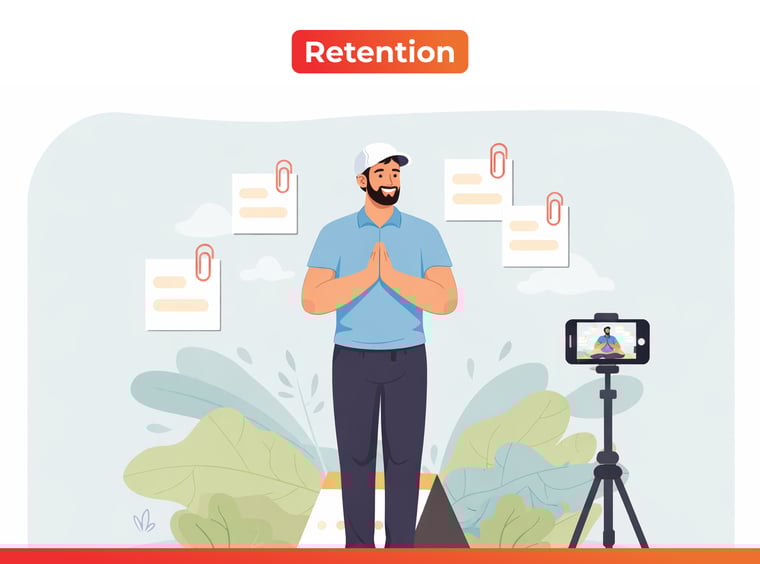
You can train your athletes 24 hours a day but if they’re not retaining the information, they’re not making any progress.
Not only does retention make their training more effective, it also helps them get better faster.
Luckily, this is a skill that anyone can learn. And it doesn’t have to be difficult.
Tools like Spaces make this easier than ever before, for both you and your athletes. After each in-person session, you can post a summary of what you went over and what they need to work on, including any videos you took.
When they practice by themselves, they can upload their own videos for you to comment on, as well as their thoughts and feelings about how their training went.
By the time you meet up in person again, you already know how to structure that session and are confident that they’re practicing correctly, even when you’re not there.
In addition to filming them swinging a golf club, a baseball bat, or doing another action, have them answer a few questions about their training and upload those answers to their Space as well - these will reinforce their progress as well.
By revisiting both the how and the why of their training sessions, they’ll start to see growth way faster than before.So many people think that talent is the only thing that separates amateurs from pros, but that’s just not the case.
Confidence, strategic and intentional training, and support all go an incredibly long way in an athlete’s journey.
If you haven’t posted video recaps in your athlete’s Spaces before, give it a try and watch them progress so much faster. If you usually do post video recaps, take a moment to ask your athletes what they think of them - How do they help them train? Is there a different type of video recap that’s more beneficial to them?